
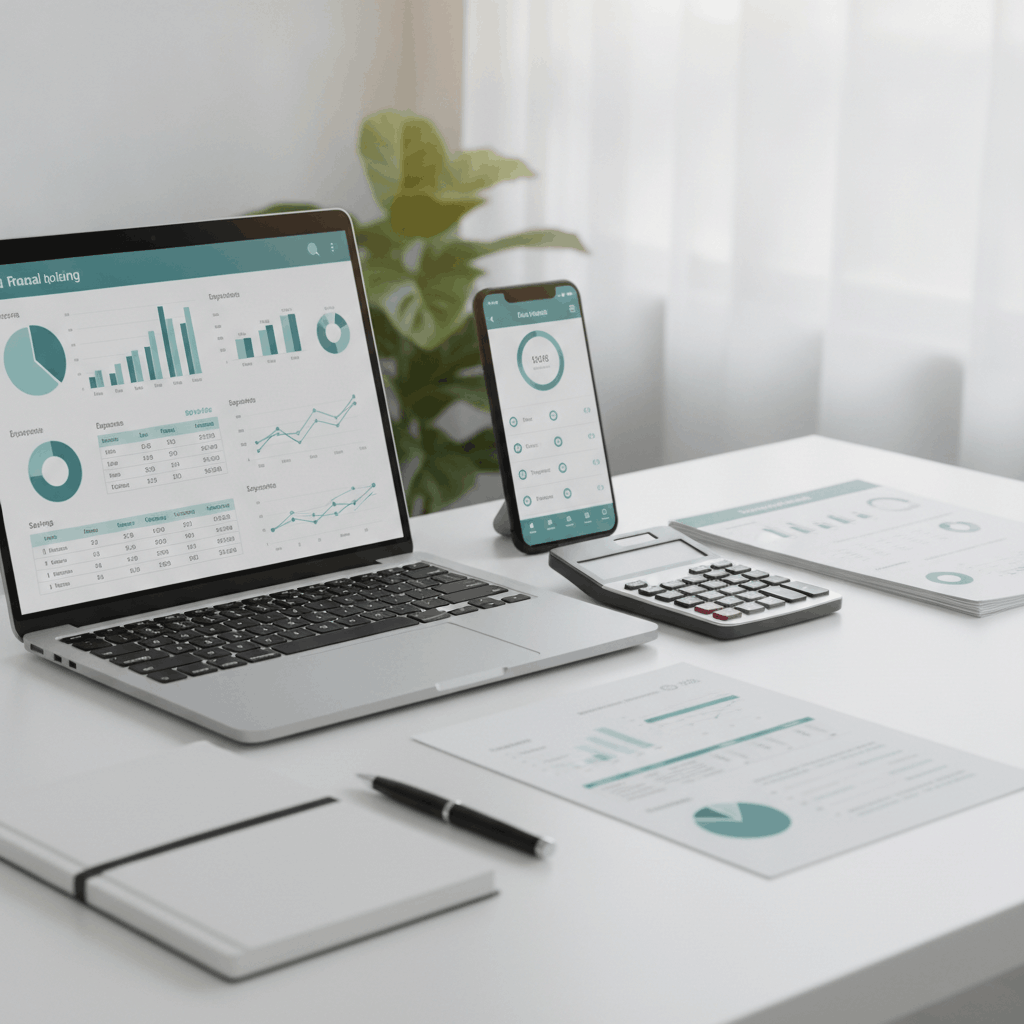
Budgeting is a fundamental financial practice that involves creating a plan for how to spend and save money over a specific period. It is a powerful tool for gaining control over personal finances, reducing financial stress, and working towards financial goals, whether short-term or long-term. A well-structured budget provides clarity on where money is going, enabling informed decisions about spending and saving.
The importance of budgeting cannot be overstated. It serves as a roadmap for financial health, offering several key benefits:
Budgeting requires tracking income and expenses, leading to a clear understanding of spending habits. This awareness is the first step towards making positive changes.
By allocating funds specifically for debt repayment, budgeting can accelerate the process of becoming debt-free. It helps prioritize which debts to tackle first.
Whether saving for a down payment, a vacation, or retirement, a budget provides a structured way to set aside money consistently, making these goals attainable.
Knowing you have a plan for your money can significantly alleviate anxiety related to unexpected expenses or financial uncertainty.
A comprehensive budget typically includes the following core elements:
This represents all the money received from various sources, such as salaries, wages, freelance work, or investments, after taxes and deductions.
Expenses are categorized into fixed and variable costs:
This category is crucial for future financial security and achieving long-term objectives. It includes funds set aside for emergencies, retirement, or specific purchases.
This is the portion of the budget dedicated to paying down existing debts, such as credit cards, student loans, or personal loans.
Developing a personal budget involves a systematic approach:
Determine your total income after taxes and other deductions. This is the actual amount of money you have available to spend or save each month.
For at least one month, meticulously record all your expenses. This can be done using a notebook, a spreadsheet, or budgeting apps. Categorize each expenditure to understand where your money is going.
Group your tracked expenses into logical categories, such as housing, transportation, food, utilities, entertainment, and personal care. Differentiate between fixed and variable costs.
Define your short-term and long-term financial objectives. These goals will provide motivation and direction for your budgeting efforts.
Allocate your net income to different categories. Ensure that your planned expenses, savings, and debt repayment do not exceed your income. A common guideline is the 50/30/20 rule, where 50% of income goes to needs, 30% to wants, and 20% to savings and debt repayment.
Regularly review your budget to ensure you are sticking to your plan. Life circumstances can change, so be prepared to make adjustments as needed. This ongoing monitoring is key to long-term success.
Adopting certain habits can enhance the effectiveness of your budgeting:
By implementing these steps and tips, individuals can establish a robust budgeting system that promotes financial stability and supports the achievement of their financial aspirations.