
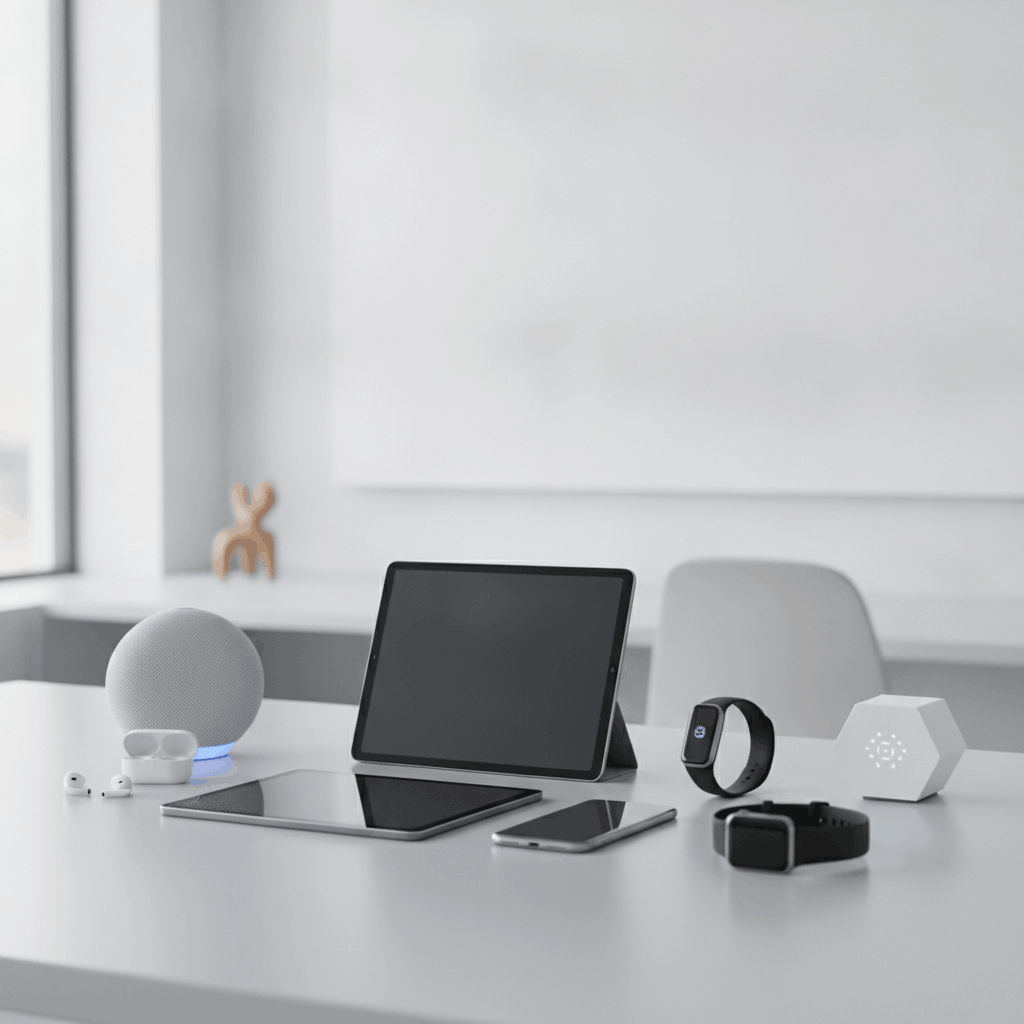
The term "gadget" broadly refers to a small, often novel, mechanical or electronic device. In contemporary usage, it most commonly describes a piece of technology designed to perform a specific function, often a modern or innovative one. From the smartphones in our pockets to the complex systems that manage our homes, gadgets have become integral to the fabric of modern life, influencing how we communicate, work, entertain ourselves, and even maintain our health.
The concept of a gadget has been around for centuries, evolving from simple tools to highly sophisticated electronic instruments. Today, the landscape of gadgets is vast and continues to expand at an unprecedented pace. This expansion can be broadly categorized into several key areas:
This category includes the ubiquitous smartphone, which has evolved into a pocket-sized computer capable of communication, entertainment, productivity, and much more. Tablets, e-readers, and portable media players also fall under this umbrella, offering specialized functionalities for reading, browsing, and media consumption.
The smart home is a growing ecosystem of interconnected devices designed to automate and simplify household tasks. This includes smart thermostats that regulate temperature efficiently, smart lighting systems that can be controlled remotely, voice-activated assistants like smart speakers that manage tasks and answer queries, and smart security systems offering enhanced home protection.
Wearable gadgets are designed to be worn on the body, offering convenience and seamless integration into daily routines. Smartwatches provide notifications, fitness tracking, and communication capabilities. Fitness trackers monitor physical activity, heart rate, and sleep patterns. Other wearables include smart glasses and even advanced medical monitoring devices.
Beyond personal devices, gadgets also encompass a range of computing and productivity tools. Laptops, desktop computers, and their peripherals continue to be essential for work and complex tasks. Specialized gadgets like external hard drives for data storage, high-resolution monitors for enhanced visual experiences, and ergonomic keyboards and mice for improved comfort also contribute to productivity.
The widespread adoption of gadgets has had a profound impact on how individuals and societies function. These devices offer numerous benefits, including:
Smartphones and other networked devices have revolutionized communication, allowing for instant connection with people across the globe through calls, texts, video conferencing, and social media. This has facilitated closer relationships, expanded business opportunities, and democratized information access.
Many gadgets are designed to streamline tasks and save time. Smart home devices automate routine chores, wearable tech provides instant access to information and health data, and productivity tools help in managing workloads more effectively. This convenience frees up time for other activities and can reduce stress.
Gadgets are central to modern entertainment. From high-definition televisions and gaming consoles to virtual reality headsets and portable music players, these devices offer diverse and immersive entertainment experiences. They also facilitate participation in online communities and digital content creation.
The rise of wearable technology and specialized health gadgets has empowered individuals to take a more proactive role in managing their well-being. Devices that track fitness, monitor vital signs, and provide insights into sleep quality can help in making informed lifestyle choices and identifying potential health concerns early on.
While the benefits of gadgets are substantial, it is also important to consider their broader implications. Issues such as data privacy, digital dependence, and the environmental impact of electronic waste are areas of ongoing discussion and development. As technology continues to advance, the future of gadgets promises even more integration, intelligence, and personalization. Innovations in artificial intelligence, the Internet of Things (IoT), and miniaturization will likely lead to devices that are more intuitive, capable, and seamlessly woven into the fabric of our lives.